ESTIMATING SERVICES
Feasibility Costings
In the early stages of a project, it is difficult to provide an exact and precise figure as to the cost of a project. Changes to the design or development during planning will alter the outcome.
Developers, however, often like to get a sense of the rough costs of their plans in advance so that they can make a judgement about whether they should go ahead. Feasibility costings are helpful tools that they can use to do this.
Why Do People Get Feasibility Costings?
Feasibility costings provide builders, developers, architects, and even homeowners with valuable information that they can use to decide whether they want to go ahead with a project or not.
Here are three reasons why you might want to go ahead with a feasibility costing:
1. To find out whether your project is viable. You might have a plan in place that delivers a project which provides all of the features that you want to include, but it might not be economically viable. The purpose of feasibility costing in this instance is to figure out whether the project makes financial sense before any work gets underway.
2. To find other feasible options. Sometimes a range of projects is viable. The purpose of feasibility costings, in this case, is to provide you with a menu of options and show you what is possible, and what isn’t. You may find that the project you initially planned isn’t viable, but a similar one is.
3. To assist in the development of business documentation. Developers, architects and builders often have to produce a business case to show that a project is viable. Feasibility costings are a powerful tool that you can use to confirm with your client the costs of a project plan, as it stands, with confidence. Companies use feasibility costings in a range of documents, including business plans, strategic briefs and project execution plans.
What Factors Do Feasibility Costings Incorporate?
The concept of feasibility costing is relatively straightforward: to figure out how much a project will cost to develop in the real world.
The practicalities of making such an assessment, however, are anything but simple. Building consultants include multiple factors in their evaluation of the final cost.
1. It is important to note that feasibility costings differ from other forms of cost estimates that builders encounter during the construction of a project. The initial cost appraisal includes both the construction cost of the project, as well as broader expenses which might apply, like fees, cost of moving staff, and so on. Thus, there are a variety of factors that could enter a feasibility costing:
2.
- The size of the floor space and assumptions about the prices of various inputs
- What is being included in the project, and what is left out
- Calibration to take account of market conditions in the future (and likely sale prices at the time of completion)
- The cost of fixtures, fittings, and equipment
- Running costs of the building
- Stamp duty and agency fees
Feasibility costings, therefore, are a vital tool you can use to get peace of mind and proceed with confidence.
Budget Estimates Explained
Our expert building estimators will quantify the resources that are required for a particular project including labour, material, and plant. Budget estimating will provide builders and developers with a more detailed explanation of the financial costs before committing to a project further.
Who Can Benefit From Our Budget Estimating Services?
The budget estimating services WCSL offer can be beneficial to main contractors, developers, builders, architects, subcontractors, and potentially even homeowners. It provides a clear plan of spending to match your financial goals
Benefits Of Budget Cost Estimates
It can be common to overspend on building projects. Unfortunately, a significant level of overspending can put a project in jeopardy. This is particularly true where a large amount of finance has been secured.
If an estimated cost is identified at an early stage in the project, it provides you with the knowledge you need and multiple options to consider. For instance, you could arrange alternative methods for funding in advance. Alternatively, you may choose not to move forward with the project, scale back or redesign. All these options can ensure that your project fits the budget.
Budget cost estimates can also identify potential ancillary costs that you may not have considered.
This may include fees for design, charges from consultants such as structural engineer’s fees, asbestos surveys, building regulation charges, and application fees.
Budget Estimate Calculations
Budget estimates may be prepared based on initial sketches. However, they can also be delivered after a more detailed proposal. The most accurate estimates will be delivered when a significant amount of information is provided. This will typically include both specifications and drawings.
When an estimate is prepared at the early stages, before detailed design and the project has been tendered for contractors, it can provide an accurate assessment of the expected costs from the beginning. This ensures that costs can be reined in and that the project is designed to match financial constraints.
Budget estimates will often be essential in certain building works where funding grants could have been applied for. In cases like this, it is crucial that you do choose an expert service to handle your budget estimate and ensure the most accurate report.
Budget Estimate Accuracy
A budget estimate can provide a high level of accuracy. The goal will be to provide an estimate that falls within 10% of the final construction costs. This will depend on the level of detail provided at the offset. We use an advanced cost database and an expert team of staff to offer the best estimate possible to every client.
Updated Budget Estimates
A budget estimate can be updated during the development of a project to ensure that it changes and continues to reflect the most likely cost of a project. This can be based on the decisions a client makes based on the original estimate that we provide.
Sample Work
Please contact us today to gain a sample budget estimate that reflects the detail that we provide and the level of service we offer. We take a variety of factors into account when preparing your estimate including the project’s performance, scope, quality and time.
Construction Cost Planning
If you are just about to embark on a commercial or domestic building project and you are not entirely sure about the costs that may occur, then it is imperative that you get support for the building cost planning.
The main and sole purpose of building cost planning within the UK is to itemise each element of a domestic or commercial construction project to evaluate and calculate the likely overall cost of the build.
Cost planning explicitly refers to the construction costs – it does not include other ancillary fees. Nor does it include any of the expenses you might incur if you must wait for approval or planning permission. Cost planning is solely concerned with letting you figure out how much you can expect to pay for the building part of a commercial or domestic building project.
Why You Need Construction Cost Planning?
There are all kinds of reasons why you need cost planning for domestic and commercial building projects within the United Kingdom.
These include:
- To Help You Budget Your Construction Project. Budgeting for a building project can be tricky as there are numerous elements to consider. With cost planning, however, you can get a breakdown, item by item, showing you how much you’re likely to spend. With a construction build budget in hand, you can make better financing decisions, approach creditors with more confidence, and plan your cash flow from start to finish.
- To Compare Contractor Quotes on Your Construction Project. If you do not have a sense of how much a project should cost before you go into a negotiation with a contractor, you don’t know if you’re getting a good deal.
- To Control Costs. Commercial and Residential Developers and builders are notorious for overspending on projects. A detailed cost plan, however, shows you how much you should be spending and enables you to identify elements of the building project which are pushing you over budget. With a cost plan in hand, you can quickly scan for budgeting issues and find out why the cost of your building is coming in higher than you originally planned.
- To Manage Future Cashflow. A building project may have the potential to be profitable, but without proper cash flow, the whole enterprise can come to a screeching halt. Developers need to plan their cash flow so that they can continue to pay suppliers and workers. Without cash in the bank, builders won’t be able to complete projects and may miss out on the opportunity to deliver a profitable project. Cost planning shows you the points during the construction process where you’re likely to face financial bottlenecks, allowing you to plan for them in advance.
How Construction Cost Planning Works
The way cost planning works is simple. A building consultant will look at plans for your project and then take into account numerous factors which could affect the future cost. The consultant performs a thorough review and then feeds data into a cost model. At the end of the process, you’ll know how much money you’ll have, your main risks to costs, and where you might be able to make savings.
SCHEDULE OF WORKS
Professional scheduling
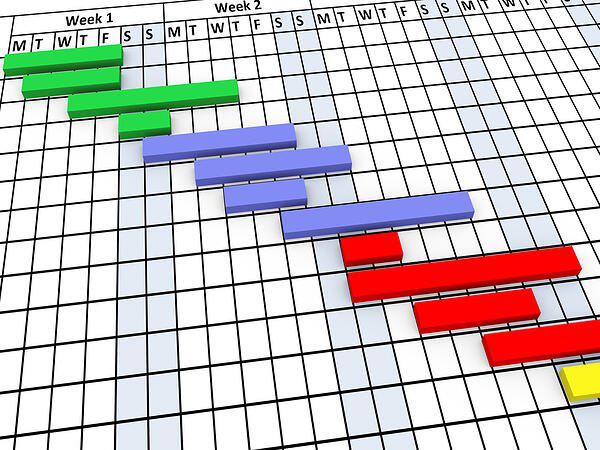
When it comes to a construction project, time is money. This is why you must know precisely the order in which the various stages of the construction project will take place. A Schedule of Works is a programme that details how the construction project will unfold, creating an itinerary on which all stakeholders can agree.
A designer or a cost consultant usually prepare a Schedule of Works. It is a “without quantities” schedule, meaning that pricing information is omitted for brevity. Typically, a Schedule of Works is prepared alongside other documents, including specifications, drawings, preliminaries and the bills of quantity.
Schedules just detail the work that needs carrying out. They do not include detailed information about the project as you might find on the specification. At WCSL Construction, we can help you create a schedule of works to fit alongside the rest of the building documents in your portfolio.
Keep Your Clients Up To Date
Clients want to know the order in which you will carry out work and when the task or project will finish finish. Without a schedule of works, however, it can be difficult for you to provide this information. Often, you have to guess.
At WCSL, our team is here to help. We work closely with our client’s to develop a schedule/scope/specification of works that allows the client to state with confidence what will be done by when. Our team of expert planners carefully constructs an itinerary for your project, drawing up a Schedule of Works that you can use as a selling point for your services.
Achieve Better Time Management
A Schedule of Works prepared by WCSL will provide an in-depth information and knowledge on how long each phase of the project will take, allowing you to plan time smoothly.
Our experts provide accurate timescale estimates given your resources and toolset. WCSL are able to provide cost forecasts for the end of the project so that there no hidden and unexpected cost surprises for our clients
Create A More Compelling Pitch
By carefully calculating the time and order of the phases of the project, you can make a more compelling pitch to customers and win more business. You can show your customers how long work will take with confidence.


Identify Work And Materials Requires
A quality Schedule of Works provides you with all of the information that you need on the work and materials required. With this detailed information, you can do more effective planning and ensure that you put realistic timelines in place.
Integrate With Other Documents
Integrating the schedule of works with other key building documents is an integral part of the process. Our team can help you harmonise your documentation and provide you with user-friendly solutions that you can use in conjunction with your pre-existing paperwork. We design our Schedules of Work for use alongside the Bill of Quantities and the Tender Analysis. Get in touch with us today to find out more.

Bill of Quantities
Itemised Works. For More Accuracy.
Often referred to as BoQ’s, the Bill of Quantities is a very useful document that can be used to gain accurate projections regarding the quantities of each item needed in a proposed construction project. When done right, it can save the business a lot of time and money while simultaneously providing accuracy for the end client.
WCSL have decades of experience in producing accurate descriptions and quantities from well detailed plans and drawings.
Key Benefits of a Bill of Quantities
- Free project consultations ahead of all agreements.
- Gain access to a team of QSs that boast decades of experience in this field.
- Save time and money in this key planning phase.
- Provide clients with clear documents.
Taking Your Plans To Produce Accurate Results
Our experienced quantity surveyors have worked from virtually every type of blueprint, drawing, and diagram imaginable. Whichever methods you tend to use, we can work from your documents to provide accurate itemised lists of the necessary products for the project as well as their quantities.
Covering All Items Within Your Project
While you may think that you’ve covered all the bases, it’s not uncommon to let an item slip your mind. WCSL provides itemised checklists that often cover features that you won’t have even considered. We leave no stone unturned, getting your project off to the best start as a result.
Keeping You Updated At All Times
WCSL works with you to become a major asset in your arsenal. We pride ourselves in providing transparency in all aspects of the BoQ’s preparations. Even though we work with exceptional turnaround times, our regular updates are crucial for your sanity as well as the project management.

Providing Clarity For Collaboration
You aren’t the only person that needs accurate results. Communication with all teams is essential and the bill of quantities can be sent out to your shortlisted contractors to provide a pricing platform, which is easy to analyse once the tenders have been returned to you by our staff.
Prepared To Your Requirements
WCSL can prepare your bills of quantities using either the Builders Quantities, Standard Method of Measurement, New Rules of Measurement, or Agreed Rules of Measurement. This gives you optimum levels of flexibility and control to ensure that all tasks are completed to your requirements and preferences.

CONTRACT DOCUMENTATION
Contract Documents Explained
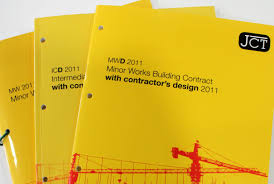
A contract document is a written document which defines the work and responsibilities under the construction contract. These documents are legally binding for both the owner and the contractor.
WCSL Construction Consultants, can provide the contract documents that suits our clients individual project requirements and ensure it includes all the information that will form part of the contract.
The documents are thoroughly checked to ensure both the client and contractors are provided with the right level of protection for the completion of your project.
Importance of A Contract Document
It is crucial for the individual preparing for construction to fully understand what contract documents entail. A failure here can cause a contractual flaw that will impact your domestic or commercial project.
There are various types of construction contract documents that we can prepare for your project, if you are unclear of exactly what you need, our expert team here at WCSL Construction Consultants can talk your through your requirements. A selection of what we offer as a service for Contract Documents are below.
Construction Contract Agreement
This contract document is the initial agreement that is held between the developer or the private property owner and the construction contractor. This is a vital component of a construction contract. It is typically the main document that other documents will be attached or refer to.
Schedule of Work
WCSL Cost Consultants we can provide a clear schedule of work (SOW) for each and every project. This construction contract document will be valuable throughout the bidding process as well as a construction sequence.
Also known as the statement of work, the contract provided will enumerate all the work that is required as well as who is responsible. It will detail how the work must be performed and what materials need to be used. It will also detail how any change orders will be handled.
If you need any help with the scope of work, or in fact any other construction contract documents then please do get in contact.
Specifications
This area of the construction contract document will provide all technical data for the build, as well as requirements for the particular project. The information within entails further details on the materials and techniques that will be expected to be used, as signed off by the Architect to coincide with the building regulations.
These specifications will typically be negotiated and discussed before a contract is developed. Later in the process changes to specifications can be made as plans for the project evolve nearer the time of completion. We can ensure these changes are detailed correctly.
QUANTITY SURVEYING
Building Cost Estimate
Building cost estimates form part of the contract documents; it provides a detailed report of all the costs for a particular building project, whether domestic or commercial. The breakdown is detailed in accordance with the specification and the tender drawings.
Building Project Drawings
A contract document will always include building plan drawings. These must be applicable to the work that is being completed with the domestic or commercial project. These drawings could include blueprints for a project or alternatively, it can be more simple drawings to go alongside the building specifications.
What Else Can A Contract Document Cover?
Here at WCSL Construction Consultants, we can also offer so many different forms of Construction Contract Documentation. When you use our service, the construction contract and the contract documents contained can include a variety of other details and variables. This includes:
- Payment terms
- Start dates
- Duration of project
- Liquidated damages
- Retention
- Special conditions
It is critical that whatever your position is within the build, either a Developer or an Architect and anything in between, that you are covered contractually with not only your own team, but also any subcontractors that you may have.
Tender Analysis
Clear Reporting. Decisions Made Easy.
Tender Analysis is an evaluation process that is ultimately designed to remove any stress or complications when choosing a contractor. The document supplied will provide clear reporting of every quote tendered by the various contractors contacted. The process will save time and money while, crucially, guiding you to the right decision. With decades of experience under our belt, WCSL offers one of the premier construction consultancy services in the UK. Let’s discuss your project today.
Key Benefits
- Free project consultations ahead of any deal.
- Leverage success from the experience of a team that has worked in the industry for decades.
- Cut out the waste and know where you stand throughout the process.
- Make the right decisions for your business time and time again.
Finding The Best Path Every Time
The analytical service compares the costings returned by your contractors. It can highlight which contractor is the best value for money and compares against our cost plan so you can decide which contractor to proceed with. The threat of making poor decisions can be a thing of the past.
Going Beyond Pricing Alone
It’s important to analyse more than the cheapest quote. Criteria points need to include key dates, the goods being purchased, whether the contractor fits the business’s profile, and any points that may require further discussions or clarifications. These extra elements are key to making the right choice.
Quick Reporting, Clear Advice
You aren’t only paying for the reporting itself, you also require insight. Our team of experts have seen it all, allowing us to provide the honest and clear advice regarding which options to choose. Thus giving your proposed projects the very strongest foundation, leading to more contracts won.
Value Engineering
Cutting Costs. Retaining Quality & Satisfaction.
Even with the best intentions, the costs of a construction project can come in over budget. If you find your project is coming in over your anticipated budget and want to make savings, we will look at various methods to cut back the scheme or reduce the specification to get the project value to the desired level. With our team of experienced professionals at your disposal, reaching a more appropriate solution for your project. Let’s discuss your need today.
Key Benefits
- Free project consultations to check suitability.
- Get the project back on track (and budget) with tweaks and adjustments rather than abandonment.
- Receive clear advice that can be implemented quickly to prevent further project delays.
- Can be used on projects of varying types and sizes.
Cut Costs Not Corners
While bringing your project costs back down to earth is crucial, you can’t fall into the trap of making decisions that will come back to haunt you. All of our suggestions take the long-term health and practicality of the building into account, ensuring that you can implement changes in good faith.
Information Analysis
By gathering data relating to the objectives, key criteria, and definition of value during the opening phases, our experts can identify which areas of the project where the cutbacks are most likely to fall under. The initial guidance provides a solid foundation to build an effective cost-cutting strategy upon.
Speculation Planning
Data analysis and idea formulation processes allow the team to identify cost-cutting plans that can reduce the initial overheads or make lifecycle savings without sacrificing quality or function. Any budget-saving changes will be made with the best interests of the revised project in mind.
LIVE CONTRACT QUANTITY SURVEYING
Pre Start Meetings
A pre-start meeting is integral to the success of any construction project. It enables the team to meet face-to-face and provides the opportunity to clarify critical issues surrounding the pending construction works.
Providing effective pre-start meetings take place, it can minimise the risk of delays when construction commences, prevent miscommunication causing costly mistakes and ensure that every member of the team has approved the relevant works.
Beneficial for both contractors, clients and project managers, pre-start meetings should be standard before any project gets underway. However, it’s important to use pre-start meetings to add value to the project, as opposed to viewing them as a necessary administrative task. With the right approach and agenda, you can rely on pre-start meetings to reduce costs, minimise delays and improve the efficacy of any building works.
Who should attend pre-start meetings?
The list of attendees at pre-start meetings will depend on the nature of the project but the architect, quantity surveyor, project manager, lead construction engineer and the client and/or their representative should always be present. If the project involves using a team of subcontractors, their manager or supervisor should also attend the pre-start meeting.
In addition to this, specialist construction consultants can add significant value to pre-start meetings. With the knowledge and expertise to provide critical advice, inviting a dedicated building consultant to your pre-start meeting will help to ensure that all key areas are covered and that your interests are protected.
What’s included in a pre-start meeting?
There are various things to cover during a pre-start meeting, so it’s useful to have an agenda prepared in advance. Circulating the proposed agenda prior to the meeting will give attendees the opportunity to review any areas and suggest additional topics which may need to be included.
The first objective at a pre-start meeting is usually to clarify the responsibilities of each party and identify the individual(s) who will take ownership of each area. Once the roles and duties of each individual have been confirmed, lines of communication can be established, and future meeting schedules can be agreed.
In addition to this, pre-start meetings focus on project-specific issues, such as site access protocols, procurement schedules, query resolution strategies, monitoring processes, health and safety regulations, induction programs, mobilisation schedules, nomination instructions, lead-in materials, site conditions, insurance liabilities and any variations to the original plans, as well as any other issues which may affect the upcoming construction.
Preparing for pre-start meetings
In order to maximise the effectiveness of pre-start meetings, it’s important to prepare well in advance. By doing so, you can ensure that all relevant areas are included and that queries are fully resolved.
Whilst many of the issues raised may have already been documented in the pre-agreed contract, a pre-start meeting gives you the opportunity to clarify clauses and eliminate ambiguity. Furthermore, the minutes of a pre-start meeting can be used as a subcontract, providing both parties agree.
Valuations and Site Visits
Once construction work is underway, there are a number of protocols which should be followed. Valuations and site visits enable construction to be monitored at regular intervals and ensure that all parties have up to date details regarding the status of the project and any variation orders which have been applied.
What is a site visit?
A site visit may sound straightforward but it’s an important part of the construction process. While works are underway, dedicated personnel will visit the site to assess progress and determine which works have been completed, which are on-going, and which have yet to commence.
This ensures that the project is running to the agreed schedule and that interim targets are being hit. If necessary, variations orders can be discussed and implemented following a site visit. Whilst the vast majority of potential issues will have been dealt with contractually and at pre-start meetings, there can sometimes be surprises during the construction process itself.
Due to this, additional site visits may be appropriate. When extra works need to be undertaken or if variations are required, these costs will need to be contracted and monitored, in accordance with any existing contracts which are in place.
By using experienced construction consultants to carry out site visits, you can ensure that the project is being professionally assessed in its entirety. As well as providing you with accurate data and useful information, having an independent assessment carried out via a site visit ensures impartiality and can reduce the risk of disputes between parties.
What are valuations?
Throughout the course of the project, various valuations may need to be undertaken. An interim valuation assesses the level of works completed and can lead to interim payment resolution. Carried out by a quantity surveyor, interim valuations are usually scheduled within your original contract, although they can also be arranged on an ad hoc basis.
For contractors and building firms, having an accurate interim valuation and statement is the only way to show how much of the overall project has been completed. Without this, an interim application for payment can’t be made.
As most contractors will be relying on interim payments as their main or only source of income while works are underway, it’s vital that an interim valuation and site visits are carried out at appropriate intervals.
In addition to valuing the works completed, an experienced quantity surveyor will also assess any variations which have affected the project, as well as any potential variation orders which are expected. Although variations aren’t uncommon, they can alter the schedule and nature of the project quite considerably and may make a significant impact to the value of the works completed.
With the information gained from a valuation and site visits, all contractual parties can ensure that the project is progressing appropriately, and that completed works can be invoiced for, in accordance with the terms of the original contract.
Final Account
A final account document within construction contains all the financial aspects of the project, as well as any documentation in relation to costs. As interim payments are likely to have been made prior to the Final Account being prepared, these will need to be included and deducted from the total outstanding amount, as appropriate. Similarly, any variations which have not yet been covered by interim payments will need to be added to the Final Account.
Often, the presentation of the Final Account and subsequent Final Account Statement will have been included in the original contract. Typically, construction contracts require contractors to submit the relevant information to the appropriate personnel within six months of completion. This ensures that the appointed expert, such as a qualified quantity surveyor – WCSL Construction Consultants, can prepare the Final Account prior to the formal completion of the project.
What’s included in a Construction Final Account Document?
Although a final account may sound fairly straightforward, it can require significant planning and research. The work carried out may need to be measured, for example, and then billed for at the previously agreed price set out in the contract. This requires an innate understanding of the industry, as well as the skills necessary to make such valuations, and should only be carried out by suitably qualified personnel, such as quantity surveyors.
In addition to this, a Final Account may also include:
- Valuation of contractors work
- Value of work which was estimated in prior agreements
- Tender adjustments
- Profits the contractor may have accrued via suppliers and subcontractors
- Outstanding statutory charges, testing and opening up fees, patents, insurances and royalties
- Amounts and prime cost sums in relation to each contractor and subcontractor
- Allowable amounts under fluctuation clauses
Preparing the Final Account in accordance with the contract
Whilst some details are included in the Final Account as standard, any final account should also reflect the contract it relates to. There may be specific clauses governing variation orders, for example, and this could have an impact on what amounts are included in the Final Account.
Due to this, it’s essential that your chosen quantity surveyor is familiar with the contract and has the opportunity to examine each clause in detail. Whilst it isn’t always necessary for a surveyor to visit a site for the sole purpose of preparing the Final Account, it is often a practicable way of conducting the relevant measurements. In such cases, representatives of the contractor and the client should be invited to attend, so that they can verify the accuracy of the measurements taken.
An incomplete or inaccurate Final Account can lead to unnecessary delays and disputes, so it’s vital that any final account is prepared with attention to detail, accuracy and expertise. With seasoned quantity surveyors ready to assist with all elements of Final Account preparation, WCSL Construction Consultants can provide final account services tailored to your needs.
Programme Of Works.
Detailed Forecasting. Decades Of Experience.
Every construction project worker knows that time is money, which is why strategic planning is essential for keeping the work on task to reach its completion on time and budget. The Programme of Works is a detailed document that can have a telling impact for the whole team on the construction of your domestic or commercial project.
Here at WCSL Construction Consultants, our team of experienced, quantity surveyors are capable of returning highly accurate files that provide the guidance needed, before taking the next logical steps.
Let’s discuss your requirements today.
Key Benefits
- Free project consultations for all prospective clients.
- Save time and money to reduce waste to win more contracts and gain fewer rejections.
- Gain deeper insight into the projected scheduling of the works you propose to take on.
- Keep all members of your team in the know during this key process.
Plot The Process in Style
Planning each stage of the project with greater accuracy prevents a range of problems for your team. We can produce a detailed programme of works to highlight how long each task should take and look at the anticipated project duration. This can support you when building your projects.
Keep Clients In The Know
An accurate Programme of Works isn’t only great news for your business. It allows you to provide clients with accurate plans that will provide far clearer insight into the bid proposal. Aside from enhancing the bidding process, it enables you to provide greater clarity throughout the project.
Versatile Programme Of Works
WCSL prides itself on helping as many people as possible and our detailed programme of works can be used for various projects including self-builds. Contractors, project managers, builders, architects, and related personnel can all see huge benefits from using the programme of works.
Method Statement
Accurate Project Planning. Stunning Results.
Also referred to as the “safe system of work” document, a Method Statement is one of the most critical files in the pre-project planning phases. The step-by-step guide on how works will be completed will ensure that all assignments are completed in a safe and efficient manner. Our experienced quantity surveyors can prepare the document to take all key elements into account, which can also be used to provide clients with added clarity.
Key Benefits
- Free project consultations to discuss method statement requirements.
- Save time and money in the long run through clear and detailed planning.
- >Avoid delays, setbacks, and miscommunications with the client.
- Use the document alongside other key features of the building project.
Outline Hazards & Obstacles
Safety is a priority shared by all project managers. The method statement plots out every step of the contracting process to ensure that all hazards at every stage of the journey is completed to the highest safety standards by detailing any potential safety risks during and after completion.
Planning The Inventory
Before starting any project, it’s vital to order all necessary tools, materials, and equipment for the site. Detailed method statements prevent any threat of overlooking key items. In turn, this allows you to complete the project in a smooth and stress-free manner every time.
Effective Contingency Planning
While the method statement is primarily designed to plan the process to avoid problems, it’s still possible that outside factors can impact the situation, especially when working outside. A detailed method statement looks for the most practical solutions and considers potential changes that may occur.
Do you need guidance on a new construction project?
Have you encountered an issue on a project you’re engaged in right now and need help?
If so, then you could benefit from development advice from WCSL Construction Consultants.
Development advice is a comprehensive consultancy and implementation service that helps your business push through difficult hurdles and challenges during a building project. The purpose of the service is to provide support wherever is necessary across a range of dimensions. With proper development advice, you’re able to get your construction project back on track and meet your targets.
You can use development advice for all kinds of reasons.
Find Local Sites With Development Potential
Sometimes it can be challenging to find sites near your present location with development potential. You may believe that you’ve found a great place, but with so many factors to consider, you might not be sure.
Development advice can help you tremendously if you’re struggling to determine whether you have chosen a suitable location. With the help of a development professional, you can discover with confidence whether a site has potential and if you should go ahead. Professional assistance gives you peace of mind.
Get Planning Permission Advice
Getting planning permission for a project can be a challenge. Development advice, however, helps you find out whether you’re likely to get the go-ahead from local authorities and which planning issues you may face. Building consultants have vast experience across a range of development issues and can give you sound advice based on precedence. The goal is to ensure that you’re never in the dark about whether a project is likely to be allowed to go ahead or not.
No matter what property it is, we are here to offer the advice to help you
Are you a homeowner wanting to find out whether your new extension is financially viable?
Are you a property developer needing estimates for the cost of a new project?
If so, then you may benefit substantially from property advice.
Property advice is a catch-all term which describes a variety of building consulting niches. These could include anything, from helping developers organise major homebuilding projects to assisting architects to work out how much a project would cost to develop.
The benefits of property advice are enormous. Here are just some of the ways that property advice consultants can help homeowners, architects, and people in the building construction industry.
Get Reliable Estimates
When you start a new project, it is often difficult to know precisely how much it is going to cost in advance. You may have a good idea of the costs, but having assurance on costs helps relieve the element of certain risks.
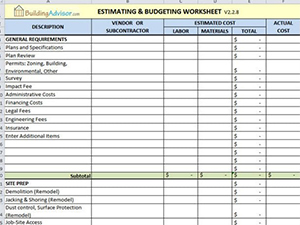
Professional property advice consultants use data and modelling to produce a realistic budget estimate taking into consideration a wide variety of factors. With a reliable budget in hand, you can chart future cash flow and ensure that you always have the finances available to see you through to the next stage of the build.
Get A Programme Of Works
Knowing what you should do and when on a construction project can be a challenge. Building consultants, however, have the skills and expertise you need to help you organise a programme of work and figure out what you need to do next at each stage.
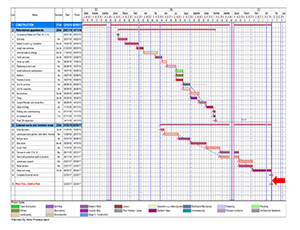
Knowing how long each task should take and how they depend on the completion of others is vital. You need to know how long a project is going to take before signing any contracts or handing over money.
Unfortunately, it’s not always clear, even to development professionals, how long a particular job will take. Individual companies often do not have access to all the data they need to make reliable estimations.
The goal is to give you confidence about when your build will be complete. Building consultants develop a programme of works from the ground up, based on the unique features of your project.
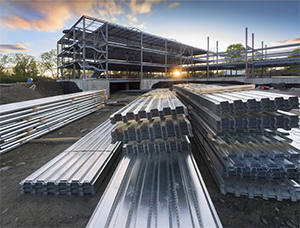
Cut Costs When You Go Over Budget
If it looks like you’re going to go over budget, a property advice service can help you rein in costs. Consultants scan for opportunities to make savings and find ways to cut costs you wouldn’t ordinarily consider.
Get Help With Contract Documents
Writing a legally viable contract document can be a challenge if you’ve never done it before. Good property advice, however, makes it easy. A professional building consultant can tailor your contracts to the specific requirements of your project so that there are no nasty surprises down the road.
The benefits of property advice are remarkable. With the help of professional building consultants,